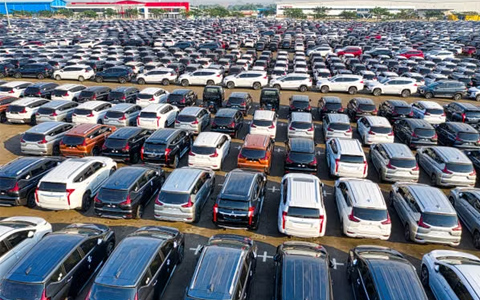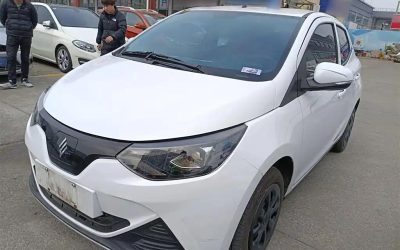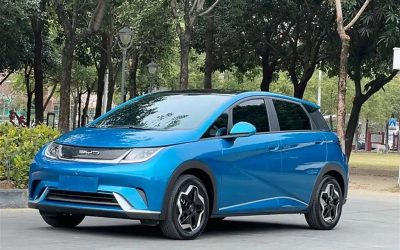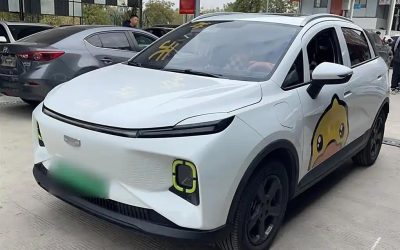


China's used EV market blew up in 2025, reaching 1.6 million sales, a 47.97% jump from the year before. Five things drive this boom: price wars on new cars, trade-in subsidies, a growing fleet, professional channels, and battery-health checks. New-EV growth slows in 2026, but used new energy vehicles in China keep speeding up. Buyers and investors now watch closely.
The Scale of Used New Energy Vehicles in China
Market Size and Growth Rate
The size of used new energy vehicles in China has hit record highs. Revenue reached $18.88 billion in 2025. That same year, buyers made 1.6 million used NEV deals. The amount rose 47.97% from the year before. These numbers show the secondary EV market is now a big deal.
This growth comes after ten years of new-car growth. Millions of EVs hit Chinese roads from 2018 to 2023. Those cars are now old enough to be resold. At the same time, new-EV sales growth slows in 2026. Market penetration sits at 55–60%, so fewer people are buying their first EV. This makes the question sharper: why does used volume keep rising while new sales stay flat? The answer is lower prices, better channels, and more trust in battery health.
The Road to 2030
Predictions show steady momentum through the decade. The market should reach $20.79 billion in 2026. By 2030, revenue climbs to $30.59 billion. That path means a 10.13% compound annual growth rate. Transaction volume follows a similar path. Analysts expect 3.05 million used NEV sales by 2030, almost twice the 2025 level.
Several structural factors support this forecast. The national fleet now tops 44 million new energy vehicles in China, about 13% of all cars on the road. Each year adds more cars that can be traded in. Meanwhile, resale channels become more professional fast. Superstores and online platforms make things easier for buyers and sellers alike. A popular model like a Smart electric SUV, once seen as too niche to resell, now sells in days. The used market has clearly built its own engine, separate from new-car incentives. That independence marks a big shift in how China's EV economy works.
Five Forces Driving the Boom
Price Wars and Trade-In Subsidies
When new-EV prices fall, more buyers enter the used-car market. Car makers cut prices in 2024 and 2025. A three-year-old EV now costs a small part of its original price. This lower cost draws in first-time EV owners and fleet operators.
Government trade-in and scrappage programs push sales higher. Drivers who turn in an old gas car get money toward a used EV. Easier cross-regional transfer rules let buyers shop across the country. A buyer in Chengdu can now buy a used EV from a dealer in Shanghai with less paperwork. These policies directly boost sales of used new energy vehicles in China.
Fleet Depth, Superstores, and Battery Confidence
Supply depth matters as much as demand. China now has 44 million new energy vehicles on its roads, about 13% of all cars. That fleet creates a steady stream of trade-ins. Every year, millions of these cars enter the used-car market.
Professional sales channels make buying easier. Large EV superstores keep hundreds of cars under one roof. Online-to-offline platforms let buyers look at cars on a phone, then check them at a physical lot. Shipping partners handle delivery between provinces. This O2O model removes the hassle that once scared buyers away.
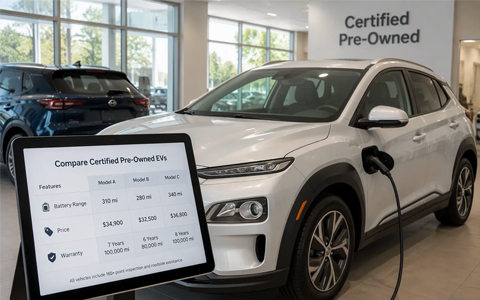
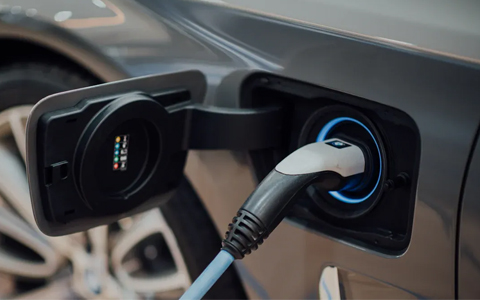
Battery confidence closes the deal. Battery-swap networks let drivers replace a drained battery pack in minutes. Battery-health reports give buyers a clear picture of how much life is left. Independent inspectors now grade battery condition on a standard scale. These systems deal with the biggest fear in the used EV market: a dead battery. They also support the growing export of used new energy vehicles from China to global markets.
Together, these five forces push each other forward. Lower prices bring buyers, and trade-in subsidies add supply. Fleet depth gives variety, while professional channels build trust. Battery checks cut risk, and the boom feeds itself.
What's Holding the Market Back
The boom still faces real problems. Four things slow down the used new energy vehicles in the China market. Each one looks like a growing pain, not a deal-breaker. Buyers and sellers should know about them before they trade.
Depreciation and Dealer Aversion
Resale values are still the biggest worry. Three-year retention sits near 46%, and average resale values stay around 42%. Someone who paid full price for a new EV three years ago may get back less than half. That gap scares some owners away from selling. It also makes others think twice about buying, since they fear the same loss. A buyer can look up retention rates online before making an offer.
Dealer behavior makes things worse. Many dealers won't stock BEVs older than five years. They worry about battery wear, slow sales, and repair costs. This refusal shrinks the number of cars available. It also pushes older models into informal channels. The result is a thinner market at the older end. Buyers who want a cheap older EV must search harder to find one. Some independent lots now focus on older EVs and offer battery tests.
Tech Obsolescence and Zero-Mileage Distortions
Fast technology change makes older models less appealing. A 2021 EV may lack the range, charging speed, and software features of a 2025 car. Buyers compare specs and often pick newer used cars instead. This shortens the useful life of older inventory. Sellers of three-year-old cars face tough competition from nearly new ones. A car with a shorter range may look weak next to a new model with a longer one. Software updates help some older cars, but hardware limits remain.
Zero-mileage used cars create a different distortion. Some dealers register new cars as used to hit sales targets. They then resell them with almost no mileage. These cars carry near-new prices and compete directly with real used stock. That practice skews pricing data and confuses buyers who expect a discount for a used car. A shopper may see two similar cars with very different prices and not know why. Buyers should check the registration date and odometer together.
None of these restraints mean the market is broken. They show a young industry still building its resale playbook. Depreciation curves will flatten as battery life improves and buyers gain confidence. Dealer caution will ease as inspection standards spread. Tech obsolescence will slow as platforms mature. Zero-mileage distortions will shrink as regulators tighten registration rules. The five driving forces remain stronger than these four restraints. Depreciation will ease as the fleet ages and battery data improves. The used EV boom is real, and these growing pains will not stop it. The market is maturing, not stalling.
Segments and Regions to Watch
PHEVs Rise as Under-3-Year Cars Lead
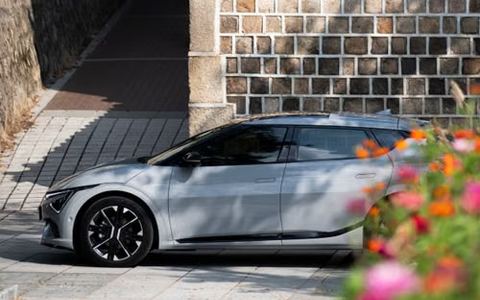
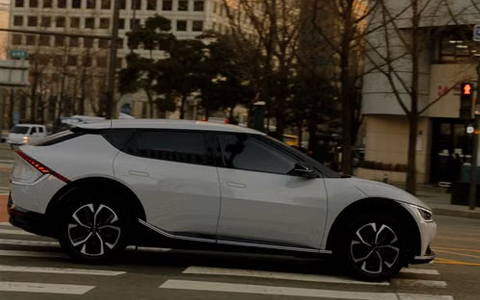
Plug-in hybrids now take a larger share of used new energy vehicles in China sales. Buyers pick them for flexible range and lower charging stress. Under-3-year vehicles lead every age band. These cars still carry modern batteries and fresh software. A three-year-old Smart electric SUV often sells within days, which shows strong demand for nearly new stock.
Extended-range EV wholesale fell 13.1% to about 504,000 units in 2026. This drop marks a segment shift worth watching. Buyers appear to favor standard PHEVs over extended-range models. That change will shape used supply in the coming years.
East China Leads, Central and West Grow Fastest
East China remains the largest regional market for used NEVs. Cities like Shanghai and Hangzhou host deep dealer networks and strong buyer demand. Central and West China grow fastest, however. Lower prices and new trade-in programs pull in first-time EV buyers there.
Cross-regional transfer sits at 34.9%. That figure shows buyers now shop beyond their home provinces. The export angle adds more fuel. Electric cars' share of China's car exports rose from about 35% in 2025 to over 45% in H1 2026. Global demand pulls used NEVs into overseas channels. This trend supports prices and opens new outlets for domestic sellers.
Five forces make this boom structural, not a fluke. Depreciation and dealer caution remain maturing pains, not deal-breakers. Used new energy vehicles in China should reach 3.05 million transactions by 2030. The question is no longer whether the boom is real, but how far it will run.