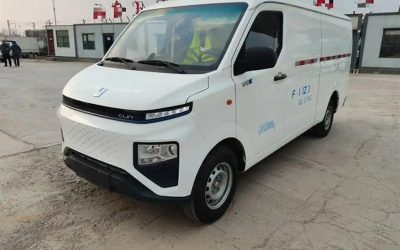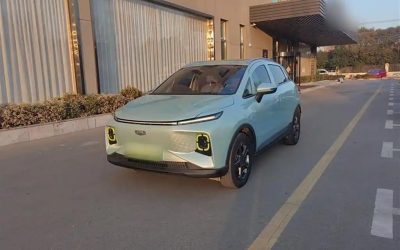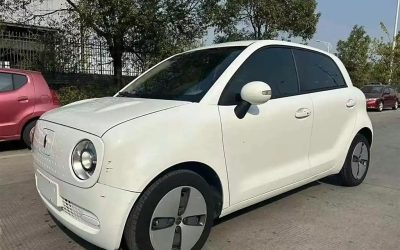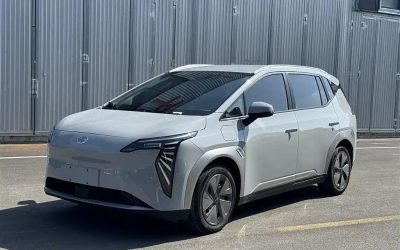


You see Chinese New Energy Vehicles face new trade barriers in Europe and America. Tariffs, rules, and local-content needs make things hard for these vehicles. High tariffs in the U.S. make it tough to sell more cars. European trade rules change how companies export and work together. These changes affect how you get and pick electric vehicles.
Trade Barriers for Chinese New Energy Vehicles
Tariffs and Duties in the US and EU
Tariffs on Chinese New Energy Vehicles are changing a lot. In the United States, the government made the tariff much higher in May 2024. It went from 25% to 100%. Now, all Chinese electric vehicles must pay this new rate to enter the U.S.
-
The U.S. tariff is now 100%.
-
It used to be 25% in 2018.
-
The new rule started in May 2024 and covers every import from China.
Europe has a more complicated tariff system. The European Union gives different rates based on how companies work with trade checks. Here is a table that shows the details:
|
Company Type |
Tariff Rate |
|---|---|
|
Cooperating Companies |
Lower Tariffs |
|
Non-Cooperating Companies |
Up to 35% Tariff |
The EU also adds a 10% import duty to these tariffs. Some companies might pay up to 45.3% in total tariffs. Even with these high costs, Chinese New Energy Vehicles still come into Europe. Their market share keeps growing.
Note: The EU and U.S. have changed their tariff rules many times in the last five years. This makes it hard for exporters to know what will happen next.
Regulatory and Local-Content Rules
There are also strict rules about where cars and parts are made. The U.S. and EU want cars sold in their markets to use more local parts and workers. These rules make it harder for Chinese New Energy Vehicles to get incentives or even enter the market.
|
Requirement |
Description |
|---|---|
|
Assembly Location |
The vehicle must be put together inside the Union. |
|
Component Origin |
At least 70% of the parts (not counting the battery) must come from the Union. |
|
Battery Components |
The battery must have at least three main parts from the Union. |
|
Additional Requirements |
After three years, the battery needs five main parts from the Union, and at least half of the e-powertrain and main electronic systems must be local. |
These rules make things cost more for Chinese companies. You may see fewer Chinese New Energy Vehicles getting government help or public contracts. The U.S. Inflation Reduction Act also pushes companies to build and buy more parts locally. This could mean less investment in China and more problems for Chinese companies.
Leaders in Europe and America use these rules to protect jobs and industries. They also want safer supply chains and more control over new technology.
Market Entry and Price Agreements
Getting into the market is not just about tariffs and rules. The EU has started looking into whether Chinese companies get unfair help from their government. These checks look at both electric vehicles and plug-in hybrids. The goal is to protect European carmakers from cheaper cars.
-
The EU Commission does not agree on what to do, so the problem is political and economic.
-
The EU is thinking about letting carmakers promise to keep prices above a certain level. They could also agree to use special sales channels or invest in Europe instead of paying high tariffs.
-
In January 2024, the European Commission let carmakers make these price promises. This could replace some tariffs and help companies work together.
Market entry rules also change how you can buy or sell Chinese New Energy Vehicles. Local-content rules make it harder to get financial help or public contracts. Some countries, like France, do not give incentives to East Asian-made EVs because they worry about carbon emissions from making and shipping them. In the U.S., cybersecurity rules have already stopped some Chinese carmakers from selling cars.
These barriers make it harder for Chinese New Energy Vehicles to compete on price and get into the market. You will see more rules and deals shaping the market in the future.
Reasons and Impacts
Competition and Overcapacity Concerns
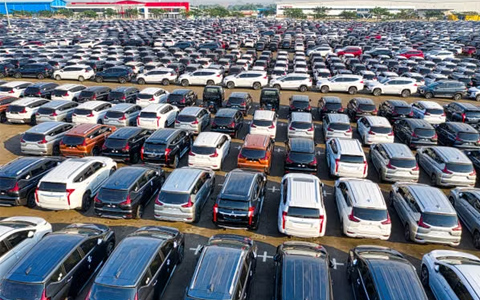
Many countries are worried about Chinese New Energy Vehicles growing fast. One big reason is that China makes too many cars. Chinese factories can build three times more cars than people buy in China. This means there are too many cars and not enough buyers. Car makers start price wars and lose money. Most companies sell cars for less than they cost. Only a few dealers make any profit. Some places have huge parking lots full of cars that nobody buys. Making too many cars causes money problems in China and hurts trade with other countries.
When these cars come to Europe and America, they compete with local car makers. The table below shows how much competition has grown:
|
Metric |
Value |
|---|---|
|
Increase in Chinese vehicle registrations |
91% since the start of 2025 |
|
Share of European auto market |
Roughly equal to Mercedes-Benz |
|
Increase in Chinese EV shipments to EU |
361% from 2021 to 2023 |
|
Projected annual EV production in EU |
700,000 by 2027 |
Chinese automakers can sell cars for less money because their government helps them. This makes local companies work harder to make better cars. Some workers in the US and EU might lose their jobs. More competition can also make American companies invest in new technology. This can help electric vehicles become more popular.
Political and Economic Pressures
Trade barriers are not just about business. There are strong political and economic reasons for these rules. Leaders want to protect jobs and keep their factories busy. In the US, the government wants to keep making things at home. National security is very important. The US banned cars with Chinese software and hardware because of safety worries.
In Europe, leaders are worried about too many Chinese New Energy Vehicles. France wants even stricter rules and talks about splitting from China in some industries. The EU is also doing more to stop China from making too many cars. These actions show that countries want to control their own industries and protect workers.
Money problems also matter a lot. Almost 60% of new cars in China are electric, so the market is full. Chinese companies need new places to sell their cars. When China’s government gives less money to car makers, they look for buyers in other countries. Some Chinese automakers try to sell cars in North America through Canada. Trade deals make it easier to sell cars there.
National security worries shape many rules. US automakers are afraid that new European rules will make it harder to sell cars in Europe. Safety and environmental groups in Europe want stricter rules for foreign cars.
Effects on Chinese Automakers and Global EV Market
Chinese automakers are changing their plans to deal with these problems. Many companies now build factories in Europe or Southeast Asia. This helps them avoid high tariffs and shipping costs. Some companies work with local partners to make cars in Europe or America. For example, new factories in Hungary and Spain help Chinese brands make cars closer to buyers. These steps help companies stay in the market even when rules get tougher.
Here are some ways Chinese automakers respond:
-
Build new factories in Europe and Southeast Asia.
-
Start joint ventures with local companies.
-
Use local production to meet content rules and lower costs.
These changes affect the global supply chain. Higher tariffs make electric vehicles cost more. This can slow down the switch to clean energy. It can also make it harder for people to buy cheap electric cars. Some experts say that if tariffs stay high, clean energy projects could cost billions more. Local production rules can also slow down new technology.
Trade barriers can make cars more expensive and give you fewer choices. They can also slow down the fight against climate change. But these rules may make companies invest more in local jobs and factories. You will see more joint ventures and local production as companies try to adjust. The global market for electric vehicles may split, with different rules in each place.
Note: The future of Chinese New Energy Vehicles in Europe and America depends on what companies and governments do next. Watch for new deals, joint ventures, and rule changes that could shape the market.
You can see that new trade barriers are changing the market for Chinese New Energy Vehicles. Tariffs and local rules make it tough for these vehicles to get into Europe and America. You should pay attention to new deals, new factories, and any changes in tariffs. Charging stations, prices, and worker skills will help decide what happens next for electric vehicles.