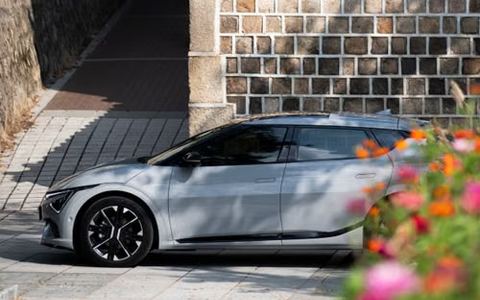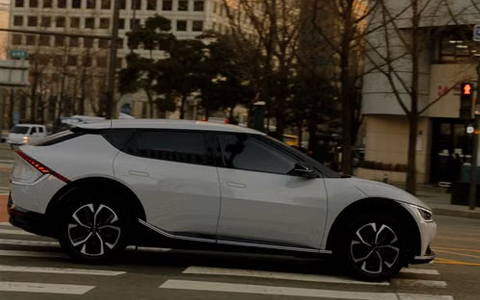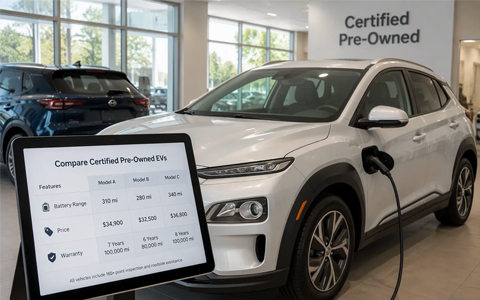


The most important thing to check in a used electric SUV is the battery's State of Health (SoH). Unlike a gas engine, this battery is the most expensive part to replace. Buying used saves money, but you may worry about losing range and slower charging. This guide gives you a simple checklist to judge any pre-owned EV with confidence.
Assess Your Needs for a Used Electric SUV
Before you browse listings, define your real driving patterns. The EPA range estimate on a window sticker rarely matches real-world conditions. Your daily commute, school runs, and grocery trips matter more than the maximum advertised range. Start by tracking your typical week. Calculate the total miles you drive on your busiest day. That number becomes your baseline.
Cold weather and highway speeds reduce range by 20-30%. A used electric SUV that shows 250 miles of range might only deliver 175 miles on a freezing winter day. Plan for this buffer. If your busiest day covers 60 miles, look for a vehicle with at least 100 miles of rated range. This margin protects you from unexpected detours and temperature swings.
Calculate Your Daily Range Requirements
Write down your longest regular trip. Include the drive to work, after-school activities, and weekend errands. Add 20% to that total as a safety margin. This calculation gives you the minimum range you need, not the maximum you want. A smaller battery costs less and weighs less, which improves efficiency. You pay for capacity you actually use.
Consider your driving style too. Aggressive acceleration and frequent stops drain the battery faster. Highway driving at 75 mph uses more energy than city streets at 35 mph. If your commute includes long highway stretches, increase your buffer to 30%. This simple math prevents range anxiety before it starts.
Evaluate Your Home and Public Charging Options
Home charging transforms the ownership experience. A Level 2 charger adds roughly 25-30 miles of range per hour. Plug in overnight, and you wake up with a full battery every morning. This convenience eliminates most range concerns. Check your electrical panel capacity and parking situation first. You need a dedicated circuit and a safe place to mount the charger.
If home charging isn't possible, assess public DC fast chargers in your area. Download charging apps and check station reliability. Look for stations near your workplace or frequent stops. A fast charger can add 100 miles in about 30 minutes, but only if the station works. Test a few stations before committing to a purchase. Reliable public charging makes a used electric SUV practical, but inconsistent stations create daily stress.
Evaluate Battery Health and Degradation
The battery is what makes a used electric SUV valuable. You can't replace it for a low price. A new battery pack can cost more than the car itself. So, you must check its condition before you decide. State of Health, or SoH, shows how much capacity the battery has now compared to when it was new. Think of it like a score out of 100. A new battery scores 100%. A five-year-old battery often scores 85-90%. That drop is normal. It comes from daily use and natural chemical aging. You should only worry if the score falls below 80%. At that point, range drops a lot, and charging gets slower.
Understand State of Health (SoH) and Range Checks
You can do a simple range check on your own. Start by charging the battery fully. Then, look at the range shown on the dashboard. Compare that number to the car's original EPA rating. Say the EPA rating is 250 miles. Your dashboard shows 225 miles. That difference is 10%. This result is within the healthy range. A gap of 10-20% means normal wear. A gap over 20% points to possible issues. You should look deeper before you make an offer.
Temperature changes this reading. Cold weather lowers the range for a short time. A cold battery shows less range even if it's healthy. Do this check on a mild day for the best result. Also, drive the car for a few miles after charging. The battery management system updates its estimates based on recent driving. A short drive gives you a more accurate number.
Get a Professional Battery Inspection
A dashboard reading is a good start. It doesn't tell you everything. You need a professional diagnostic report for full confidence. A certified EV technician can access the battery management system directly. This report shows cell imbalance, internal resistance, and other hidden problems. These issues don't show up during a test drive. They affect long-term performance and reliability.
You should strongly consider a pre-purchase inspection, or PPI. This inspection costs a few hundred dollars. It can save you thousands in surprise repairs. The technician will check each cell group for voltage consistency. They will measure internal resistance across the pack. They will also look at the charging history stored in the system. Frequent fast charging speeds up wear. The report shows you exactly how the previous owner treated the battery.
Ask the seller for permission to do this inspection. A confident seller welcomes the request. A hesitant seller might be hiding something. You can also ask for the vehicle's service records. Regular maintenance and software updates show careful ownership. Combine the professional report with your own range check. Together, they give you a full picture of battery health. This knowledge turns your purchase from a guess into a smart choice.
Examine Warranty Coverage and Transferability
A warranty can save you thousands of dollars on a used electric SUV. The battery and electric drive unit often have a longer warranty than the rest of the car. Many makers cover these key parts for 8 years or 100,000 miles. This longer warranty exists because the battery is the priciest part to replace. You must check this coverage before you buy.
Decode the Battery and EV Component Warranty
The battery warranty guards you against losing capacity or total failure. Most makers promise the battery will keep at least 70% of its original capacity during the warranty period. If the battery falls below that level, the maker fixes or replaces it. This protection matters because a new battery pack can cost more than the car itself.
You must confirm the warranty moves to a second owner. Some makers allow full transfer with no fee. Others need registration within a set time after purchase. A few brands cut coverage for later owners. Call the maker directly with the vehicle identification number. Ask for the exact warranty terms and how to transfer it. Get the answer in writing. A seller's verbal promise means nothing if the maker denies your claim.
Check the Remaining General Warranty
The bumper-to-bumper warranty covers everything else on the car. This warranty usually lasts 3 to 5 years from the original purchase date. It includes the infotainment system, suspension parts, power windows, and climate control. These parts fail less often than battery parts, but repairs still cost money.
Check how much time is left on this warranty for the specific car you want. A used electric SUV that is two years old might still have one to three years of bumper-to-bumper coverage. This remaining coverage cuts your out-of-pocket repair costs a lot. Ask the seller for the original warranty start date. Check this date against the car's service records. Know exactly what the warranty does not cover. Wear items like tires, brake pads, and windshield wipers never fall under warranty coverage. Plan for these costs separately.
Calculate Total Cost of Ownership
The purchase price tells only part of the story. Your monthly expenses determine the real value of a used electric SUV. You need a clear picture of charging costs, maintenance, and available incentives. This analysis turns a big purchase into a manageable monthly budget.
Compare Charging Costs vs. Gas Savings
Start with a simple formula. Your monthly charging cost equals your electricity rate multiplied by the kilowatt-hours you use. Check your utility bill for the rate per kWh. Most households pay between 10 and 25 cents per kWh. Now estimate your monthly driving distance. Divide that number by the car's efficiency rating, usually measured in miles per kWh. A typical electric SUV gets about 2.5 to 3.5 miles per kWh. Multiply the result by your electricity rate. That gives you your monthly charging cost.
Let's work through an example. Suppose you drive 1,000 miles per month. Your SUV gets 3 miles per kWh. You use about 333 kWh. At 15 cents per kWh, your charging cost equals roughly $50 per month. Now compare that to a gas SUV. A similar gas model gets 25 miles per gallon. You would need 40 gallons for the same distance. At $3.50 per gallon, that costs $140 per month. You save about $90 every month. Over a year, that saving reaches $1,080. Over five years, you save more than $5,000 just on fuel.
Charging at home costs less than public fast charging. Fast chargers often charge two to three times the home rate. Use home charging whenever possible. This habit maximizes your savings. Also, some utilities offer lower overnight rates. Plug in after 9 p.m. to cut your cost even further.
Budget for Maintenance and Tax Incentives
Chinese new energy vehicles have fewer moving parts than gas cars. You never change the oil. You skip transmission service and exhaust repairs. Brake pads last longer because regenerative braking handles most stopping. These savings add up quickly. However, you will spend more on tires. The heavy battery pack wears tires faster than a gas SUV. Budget for replacement tires every 30,000 to 40,000 miles instead of the usual 50,000.
Check for the used EV tax credit. The federal government offers a credit for qualifying pre-owned electric vehicles. This credit can lower your purchase price by up to $4,000. You must meet income limits and buy from a licensed dealer. Verify the vehicle's eligibility before you negotiate. Some states add their own incentives on top of the federal credit.
Be aware of registration fees. Many states charge higher fees for electric vehicles. They do this to replace lost gas tax revenue. These fees range from $50 to $200 per year depending on your state. Factor this cost into your annual budget. It reduces your savings slightly but does not erase them.
Add all these numbers together. The total cost of ownership for a used electric SUV usually comes in well below a comparable gas model. The savings grow with every mile you drive.
Research Model-Specific Issues
Every model year has its own quirks. You cannot assume all electric SUVs are equally reliable. Some years have known problems. Others run flawlessly. Your job is to find out which group your target vehicle falls into before you spend any money.
Look for Known Recalls and Common Faults
Start your research with the National Highway Traffic Safety Administration database. This free tool lists every recall for every vehicle. Enter the VIN of the car you want. You will see all open recalls right away. A seller should fix any open recall before you buy. If they refuse, walk away.
Owner forums reveal problems that never trigger a recall. Search for your specific model year and common complaints. Infotainment glitches show up often. Screens freeze, Bluetooth drops, and navigation lags. Suspension wear also appears in owner discussions. The heavy battery pack stresses bushings and struts. Some battery pack concerns surface only after thousands of miles. Look for patterns across multiple owners. One complaint means little. Ten complaints mean a real issue.
Check for Software Update History
Electric vehicles are software-defined machines. Updates improve performance, extend range, and fix bugs. A car that never receives updates loses value and capability. Ask the seller for the software version. Compare it to the latest version available for that model. An outdated version signals neglect.
Regular updates also indicate careful ownership. A seller who tracks software versions likely tracks maintenance too. Ask when the last update happened. Check if the dealer performed it or if it came over the air. This simple question reveals how the previous owner treated the car. A well-updated used electric SUV runs smoother and charges faster than a neglected one. Make software history part of your checklist, not an afterthought.
Test Drive a Used Electric SUV
Driving an electric SUV feels completely different from a gas-powered vehicle. The instant torque pushes you back in your seat. The cabin stays quiet. Most importantly, regenerative braking changes how you slow down. This system captures energy during deceleration and sends it back to the battery. You must experience this feel before you commit to a purchase.
Test Regenerative Braking and One-Pedal Driving
Regenerative braking lets you slow the car without touching the brake pedal. You simply lift your foot off the accelerator. The car responds by slowing down smoothly. Many EVs offer multiple regen settings. Some feel gentle, like coasting in a gas car. Others feel strong, almost like pressing the brakes. You need to test each setting during your drive.
Start with the lowest setting first. Drive around the block and notice how the car coasts. Then switch to the highest setting. Feel how quickly the car slows when you release the pedal. One-pedal driving takes practice. You might find it strange at first. Give yourself time to adjust. A good test drive includes stop-and-go traffic. This situation shows you how smooth the regen feels in real conditions. You want a system that feels natural, not jerky or unpredictable.
Verify Charging Speed and Port Functionality
A test drive should include a charging session. Ask the seller to meet you at a public DC fast charger. Plug in the car and watch the charging rate. Compare it to the manufacturer's advertised speed. A healthy battery accepts charge at near its original rate. A degraded battery charges slower, especially in the middle of the session.
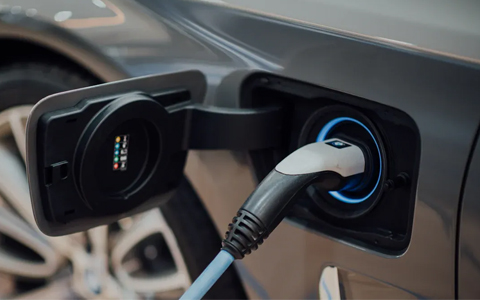
Inspect the charging port carefully. Look for cracks, bent pins, or signs of overheating. Check the charging cable that comes with the car. Make sure it has no frayed wires or damaged connectors. A damaged cable costs hundreds of dollars to replace. Also, test the AC charging port with a Level 2 charger if possible. This port handles home charging, so it must work properly. A thorough charging test reveals problems you cannot see on a short drive. Take your time with this step. It protects your investment in a used electric SUV.
You started with anxiety about battery life and charging. Now you have a clear checklist. Focus on battery health, warranty coverage, and your charging setup. Skip the search for perfection. Find a used electric SUV with a healthy battery and solid protection. You are making a smart, informed investment. Go find your perfect electric ride.