The global automotive market is undergoing a structural shift. As Chinese new energy vehicles expand into Western markets, one of the most common questions from buyers is simple but critical: Are they actually cheaper than traditional gasoline cars?
The answer is not straightforward. While upfront pricing often suggests a clear advantage, the real cost comparison depends on multiple dimensions—purchase price, energy consumption, maintenance, incentives, and long-term ownership value.
In most segments, Chinese EV manufacturers have built a strong reputation for cost efficiency.
Brands such as BYD and others in the Chinese EV ecosystem benefit from:
· Vertical supply chain integration
· Large-scale battery production
· Lower manufacturing costs
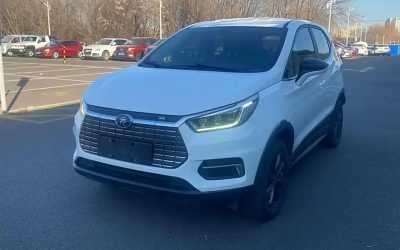
As a result, many models—especially in the affordable electric SUV category—are priced significantly lower than comparable gasoline SUVs in Europe or North America.
However, price advantage alone does not define total cost competitiveness.
One of the strongest long-term advantages of EVs is energy cost.
· Electricity per mile is generally 60–80% cheaper than gasoline in most Western markets
· Home charging further reduces cost compared to public fuel stations
· Smart charging during off-peak hours adds additional savings
Compared to gasoline vehicles, Chinese EVs maintain a consistent operational cost advantage regardless of driving style.
Traditional internal combustion engines require:
· Oil changes
· Transmission servicing
· Exhaust system maintenance
· Engine component replacements
In contrast, EVs have fewer moving parts. For chinese new energy vehicles, maintenance typically focuses on:
· Battery system monitoring
· Brake wear (reduced due to regenerative braking)
· Software updates
Over a 5–8 year ownership cycle, maintenance costs can be 30–50% lower than gasoline vehicles.
The most significant cost factor in EV ownership remains the battery system.
Modern Chinese EV manufacturers, including BYD, have made substantial progress in:
· Battery lifecycle improvement
· Thermal management systems
· LFP (Lithium Iron Phosphate) adoption for durability
However, potential buyers still consider:
· Long-term degradation
· Replacement costs after 8–12 years
· Regional climate impact on battery health
This remains the key uncertainty in total cost calculations.
In many Western countries, EVs benefit from:
· Purchase subsidies (in selected regions)
· Tax credits
· Reduced registration fees
· Access to low-emission zones
These incentives can significantly reduce the effective purchase price of an affordable electric SUV, sometimes by thousands of dollars compared to gasoline equivalents.
However, policies are evolving and may gradually phase out in certain markets.
Resale value is one area where gasoline vehicles still hold an advantage.
Key factors affecting EV resale include:
· Battery health uncertainty
· Rapid technology iteration
· Brand perception in overseas markets
That said, Chinese EV brands are improving global trust through better warranties, longer battery guarantees, and expanded service networks.
Cost savings must also be balanced with usability.
EV ownership depends heavily on:
· Home charging access
· Public charging network density
· Charging time vs refueling speed
While gasoline cars still lead in convenience, EV infrastructure in Europe and the U.S. is improving rapidly, narrowing the gap each year.
From a purely financial perspective:
· Short term (purchase): Often cheaper for Chinese EVs
· Long term (operation): EVs generally win on energy + maintenance
· Total cost of ownership: EVs are increasingly competitive, especially in urban use cases
However, the true answer depends on user behavior. High-mileage urban drivers benefit most, while long-distance or infrastructure-limited users may still find gasoline vehicles more practical.
The rise of chinese new energy vehicles is not just a pricing story—it is a structural shift in automotive economics.
While they are not universally cheaper in every scenario, their advantage in energy efficiency, maintenance savings, and improving technology positions them as a strong alternative, particularly in the affordable electric SUV segment.
As global adoption accelerates, the cost gap between EVs and gasoline vehicles will continue to narrow—and in many cases, already has.
Your Trusted China Car Exporter | Premium New & Used Cars for Global Dealers
 Guide to Imported Cars in China