The transition from an internal combustion engine (ICE) to an electric vehicle (EV) changes more than just your fueling habits—it shifts your entire vehicle maintenance paradigm. While traditional cars demand complex mechanical upkeep like oil changes, spark plug replacements, and transmission fluid flushes, an EV's powertrain is remarkably elegant and low-maintenance.
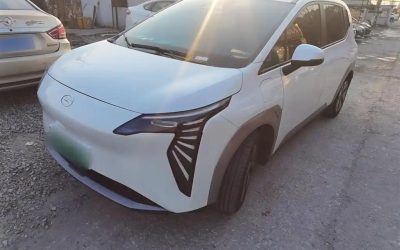
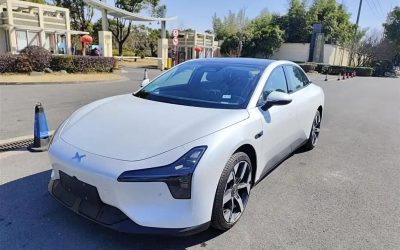
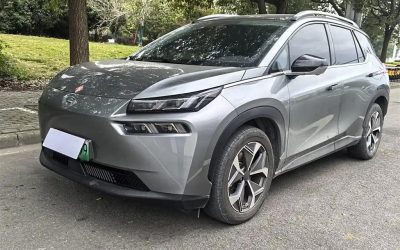
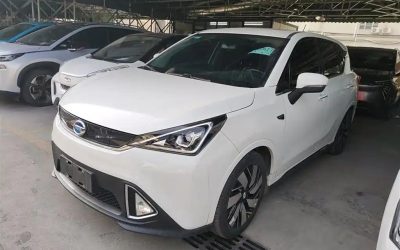
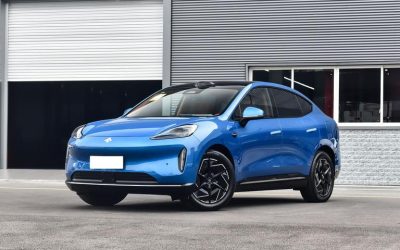
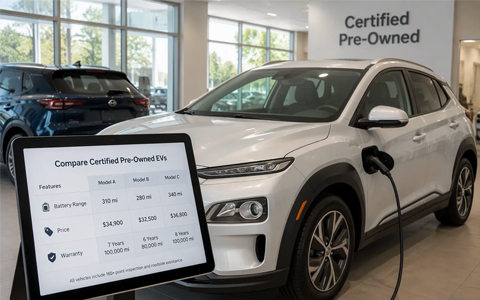
However, maximizing the lifespan and performance of an electric vehicle requires a deep understanding of its most critical asset: the high-voltage battery pack. Whether you drive a budget-conscious, affordable electric suv or a premium, tech-forward Smart electric SUV, the fundamental principles of electrochemistry and thermal management remain the same.
Here is an engineering-backed guide to preserving your EV’s health and optimizing its long-term State of Health (SOH).
The longevity of a modern EV battery is heavily dictated by its daily operating window. Most electric vehicles utilize either Lithium Nickel Manganese Cobalt Oxide (NMC) or Lithium Iron Phosphate (LFP) chemistry. For NMC batteries especially, chemical degradation accelerates when the battery sits at extreme States of Charge (SOC)—either completely full or deeply depleted.
Maintaining a battery at 100% SOC subjects the internal cells to high voltage stress, which accelerates calendar aging (the natural degradation of cells over time, regardless of mileage). Conversely, dropping below 10% SOC puts the cells at risk of voltage instability.
Expert Guideline: For daily commuting, use your vehicle’s onboard software to cap the charging limit at 80%. Reserve the full 100% charge strictly for long-distance road trips, and ideally, time the charge to finish right before your departure so the vehicle does not sit idle at maximum voltage.
Temperature is the primary catalyst for lithium-ion cell degradation. The ideal operating temperature for an EV battery pack is roughly 23°C (73°F).
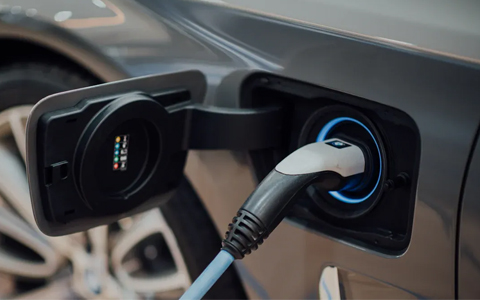
While Direct Current Fast Charging (DCFC) is incredibly convenient for long trips, it pumps high currents into the battery pack, generating significant internal thermal energy. Recent fleet data from Geotab indicates that vehicles utilizing DC fast charging as their primary fueling method experience a faster rate of capacity loss compared to those charged via slower Level 2 AC sources.
To mitigate this thermal stress:
One of the greatest mechanical advantages of an EV is regenerative braking, a process where the electric motor reverses its role during deceleration, acting as a generator to channel kinetic energy back into the battery.
While this maximizes range and reduces wear on mechanical brake pads by up to $80\%$, it introduces unique maintenance requirements:
Because friction brakes are used sparingly, brake rotors are highly susceptible to moisture buildup and rust. Periodically, it is crucial to perform a firm mechanical braking maneuver in a safe environment to clear surface oxidation from the rotors and ensure the calipers remain lubricated and fully operational.
EVs produce instant torque and carry a heavier curb weight due to the battery pack. Consequently, they require specialized tires with reinforced sidewalls, low rolling resistance to maximize range, and noise-reducing foam linings. Regular tire rotation (every 8,000 to 10,000 km) and strict adherence to recommended tire pressure are vital to preventing premature, uneven tread wear.
An electric vehicle is essentially a computer on wheels. Manufacturers frequently deploy Over-The-Air (OTA) software updates that directly impact vehicle maintenance and longevity.
These updates regularly optimize the Battery Management System (BMS) algorithms, refining how the car balances individual cells, regulates thermal cooling during charging, and manages power distribution. Keeping your vehicle’s software up to date ensures your powertrain operates under the most refined, scientifically updated parameters available.
By treating your EV not just as a mechanical machine, but as an advanced electrochemical and digital asset, you can easily preserve its range, protect its resale value, and enjoy a seamless driving experience for decades to come.
Your Trusted China Car Exporter | Premium New & Used Cars for Global Dealers
 Guide to Imported Cars in China