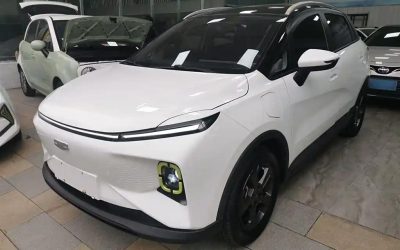
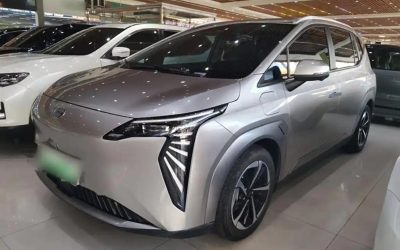
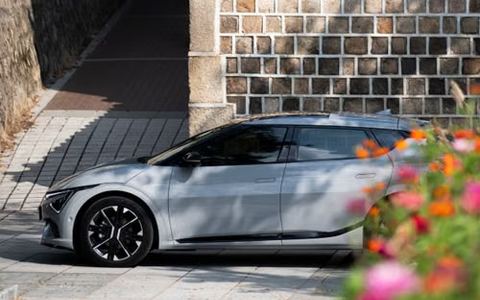
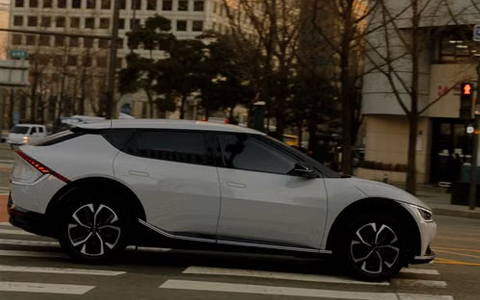
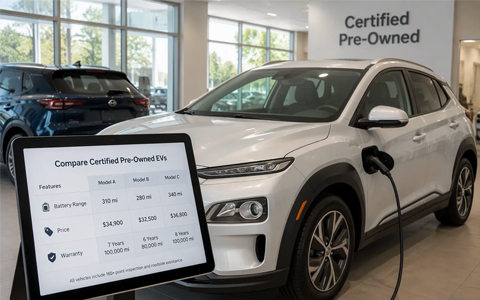
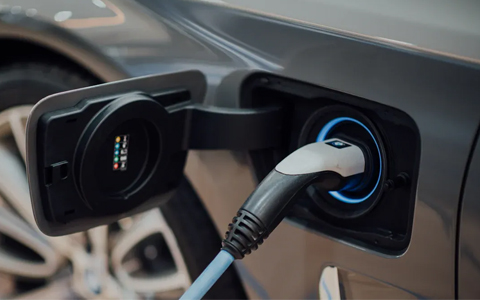
The global shift toward sustainability is accelerating, and new energy electric vehicles (NEVs) are at the center of this transformation. As governments, businesses, and consumers prioritize lower emissions and energy efficiency, electric mobility is quickly moving from a niche trend to a mainstream transportation solution. From urban commuting to commercial logistics, NEVs are redefining how people and goods move around the world.
One of the most compelling reasons behind the rise of electric vehicles is environmental impact. Traditional fuel-powered cars contribute significantly to air pollution and carbon emissions, while new energy electric vehicles operate with zero tailpipe emissions. This makes them a crucial part of global efforts to combat climate change and improve urban air quality. Cities worldwide are introducing stricter emission standards and incentives, encouraging both individuals and fleets to transition to electric mobility.
Cost efficiency is another major driver. Although the upfront investment in an electric vehicle can be higher than a traditional car, long-term savings are substantial. Lower fuel costs, reduced maintenance requirements, and government subsidies make NEVs increasingly attractive for businesses and consumers alike. For logistics companies and fleet operators, switching to electric vehicles can significantly reduce operating expenses while enhancing brand sustainability.
Technological innovation is also fueling rapid adoption. Advances in battery technology have improved driving range, charging speed, and safety. Modern NEVs now offer smart connectivity, autonomous driving features, and real-time vehicle monitoring, creating a more intelligent and convenient driving experience. These improvements not only boost performance but also increase consumer confidence in electric mobility.
In the global market, supply chains and manufacturing capabilities are evolving quickly. China, Europe, and North America are leading the expansion of NEV production, creating more diverse models for different markets—from compact city cars to commercial transport vehicles. As international demand grows, cross-border trade and export opportunities for new energy electric vehicles are expanding at an unprecedented pace.
For businesses, adopting NEVs is no longer just an environmental decision—it’s a strategic move. Companies that integrate electric vehicles into their operations can strengthen their ESG positioning, reduce long-term costs, and stay ahead in a rapidly changing automotive industry. Meanwhile, consumers benefit from quieter, cleaner, and more technologically advanced transportation options.
The transition to new energy electric vehicles represents more than a shift in power sources—it marks the beginning of a smarter, greener, and more connected mobility ecosystem. As infrastructure improves and technology continues to evolve, NEVs will play an increasingly vital role in shaping the future of transportation worldwide.
Learn more about new energy vehicle solutions and global supply opportunities at: The global shift toward sustainability is accelerating, and new energy electric vehicles (NEVs) are at the center of this transformation. As governments, businesses, and consumers prioritize lower emissions and energy efficiency, electric mobility is quickly moving from a niche trend to a mainstream transportation solution. From urban commuting to commercial logistics, NEVs are redefining how people and goods move around the world.
One of the most compelling reasons behind the rise of electric vehicles is environmental impact. Traditional fuel-powered cars contribute significantly to air pollution and carbon emissions, while new energy electric vehicles operate with zero tailpipe emissions. This makes them a crucial part of global efforts to combat climate change and improve urban air quality. Cities worldwide are introducing stricter emission standards and incentives, encouraging both individuals and fleets to transition to electric mobility.
Cost efficiency is another major driver. Although the upfront investment in an electric vehicle can be higher than a traditional car, long-term savings are substantial. Lower fuel costs, reduced maintenance requirements, and government subsidies make NEVs increasingly attractive for businesses and consumers alike. For logistics companies and fleet operators, switching to electric vehicles can significantly reduce operating expenses while enhancing brand sustainability.
Technological innovation is also fueling rapid adoption. Advances in battery technology have improved driving range, charging speed, and safety. Modern NEVs now offer smart connectivity, autonomous driving features, and real-time vehicle monitoring, creating a more intelligent and convenient driving experience. These improvements not only boost performance but also increase consumer confidence in electric mobility.
In the global market, supply chains and manufacturing capabilities are evolving quickly. China, Europe, and North America are leading the expansion of NEV production, creating more diverse models for different markets—from compact city cars to commercial transport vehicles. As international demand grows, cross-border trade and export opportunities for new energy electric vehicles are expanding at an unprecedented pace.
For businesses, adopting NEVs is no longer just an environmental decision—it’s a strategic move. Companies that integrate electric vehicles into their operations can strengthen their ESG positioning, reduce long-term costs, and stay ahead in a rapidly changing automotive industry. Meanwhile, consumers benefit from quieter, cleaner, and more technologically advanced transportation options.
The transition to new energy electric vehicles represents more than a shift in power sources—it marks the beginning of a smarter, greener, and more connected mobility ecosystem. As infrastructure improves and technology continues to evolve, NEVs will play an increasingly vital role in shaping the future of transportation worldwide.
Learn more about new energy vehicle solutions and global supply opportunities at: www.nevb2b.com
Your Trusted China Car Exporter | Premium New & Used Cars for Global Dealers
 Guide to Imported Cars in China