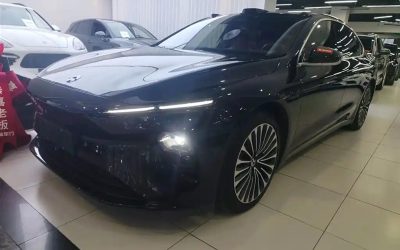
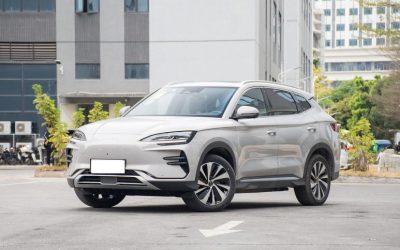
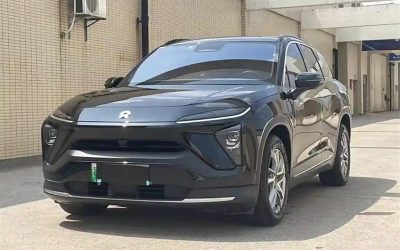
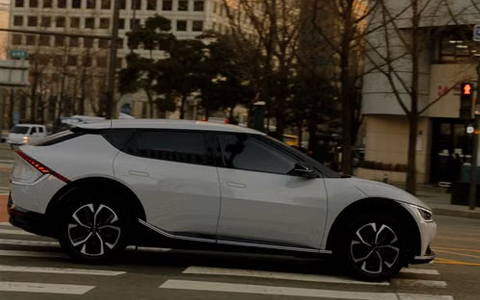
Purchasing a car is one of the most significant decisions many consumers make, spanning financial planning, lifestyle needs, and long-term ownership satisfaction. Whether you’re considering a compact city car, a family SUV, or exploring the growing electric segment, a structured approach can help you choose the right vehicle with confidence.
1. Define Your Needs and Budget
Before diving into specific models, start with a clear assessment of your requirements:
Budget planning should cover more than the sticker price. Factor in taxes, registration fees, insurance, financing interest, and ongoing maintenance. Planning your “total cost of ownership” makes it easier to compare vehicles on equal footing.
2. Understand Vehicle Types and Features
Gasoline vs. Alternative Powertrains
Traditional internal-combustion vehicles remain widespread, but many buyers today consider alternatives for efficiency and environmental impact. Hybrid and plug-in options blend fuel and electric power, while fully electric models eliminate tailpipe emissions altogether. The choice should reflect your driving patterns and access to charging infrastructure.
Advanced features checklist:
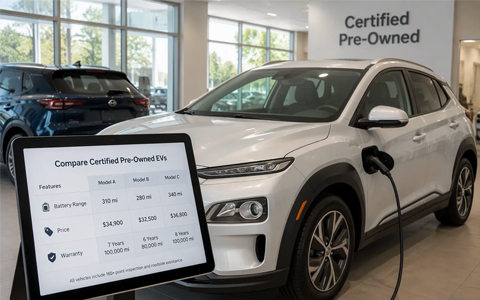
Research and comparison tools can help break down specs and features across different vehicles.
3. Exploring Electric and Future-Oriented Options
As the automotive landscape evolves, electric and hybrid models have become more mainstream. For buyers interested in cutting-edge and efficient propulsion systems:
Electric considerations:
Though traditional car guides focus on gasoline and hybrid vehicles, new energy vehicles (including EVs and plug-in hybrids) are rapidly advancing in performance, efficiency, and affordability — making them increasingly competitive choices for many buyers.
4. Conduct Thorough Model Research
Once you have a shortlist of vehicles that meet your criteria, investigate them in depth:
Resources such as expert car buying portals and vehicle comparison frameworks allow you to assess attributes like handling, efficiency, and comfort side by side.
5. Test Drive and Dealer Engagement
A test drive is your opportunity to evaluate real-world performance and personal comfort:
Also, engage with sales professionals to clarify warranties, financing options, and after-sales support. Negotiation over price, extras, and service packages is common and can significantly impact your final deal.
6. Final Steps: Inspection to Ownership
Before signing contracts:
Once ownership is secured, maintain good record-keeping for service history to protect resale value and ensure long vehicle life.
A successful car purchase depends on thoughtful research, clear criteria, and informed decision-making throughout every step of the process. Whether you lean toward traditional combustion models or are ready to explore the benefits of today’s electric and electrified offerings, knowing how to evaluate and compare your options empowers you to make the most satisfying choice. With structured planning and practical knowledge, driving home in the right car becomes an achievable and rewarding experience.
Your Trusted China Car Exporter | Premium New & Used Cars for Global Dealers
 Guide to Imported Cars in China